
Our history
The Town Trust is one of the oldest bodies in New Alresford. It is a direct descendant of the medieval local government system begun by King Edward I.
Although the town never received a royal charter, in 1295 it was recognised as a free borough. The evidence for this is contained in the attendance records for King Edward's Model Parliament. The County Sheriff of Hampshire invited the town to send two members to the parliament. William de Owton and William de Alayn were duly sent to represent New Alresford.
Representatives of the town continued to attend Parliament until 1348, when a decline in prosperity caused by the Black Death led the borough members to ask the Sheriff "to be released from the burthen of sending representatives to the common council of the realm". Despite this lack of parliamentary representation, it is likely that New Alresford retained its status as a borough because it was run by a corporation or town trust comprising a selection of the 'good gentlemen of the town'.

Bailiff and burgesses
In 1572, the town's status was confirmed in writing when Robert Horne, Bishop of Winchester, granted the Borough of New Alresford to a body that was to consist of one bailiff and eight burgesses in return for a fixed annual rent. From that date the income of the borough was under the control of these nine representatives of the town. Once they were elected and sworn in, these men were entitled to preside over a court to hear minor cases of debt, theft or trespass.
Although their rights to hold courts of law ceased around the end of the 17th century, the bailiff and burgesses continued to control the income of the borough through to the 1880s. This income consisted of tolls for using the roads and rents paid by stallholders at the town's markets and fairs. Contained in the minutes of the Bailiff and Burgesses meeting dated 22 August 1709, the statement below gives an indication of how the income was spent.
"The Bailiff shall receive of the profits of the Markets and Fairs the sum of eight pounds and no more. The profits over and above this sum are to be lodged with the Treasurer, annually chosen by a majority of the Burgesses. Henceforward the said Bailiff shall not be responsible for any charges for keeping the Gates, Bridges or Pound or any other charges for repairs to property that belongs to the said body. These charges are to be defrayed and maintained out of the monies in the hands of the Treasurer."
More ...

History of
Broad Street markets
Broad Street markets have a very long history. The Pipe Roll of the Bishop of Winchester, 1210-11, contains reference to the 'Forum de Alresford' aka Alresford Market...
History of
the Avenue
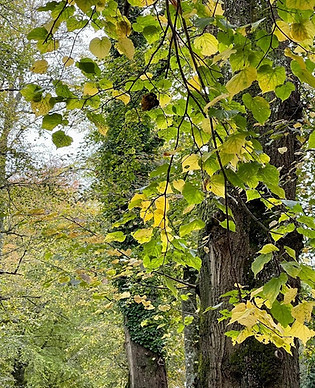
Gifted to the town in 1869, the Avenue remains a calm and peaceful place to walk or sit in the shade of the trees and provides a grand entrance to the town...

History of the
Old Fire Station
The minutes of a meeting on 21 September 1881 recorded by the Clerk to the Bailiff and Burgesses of New Alresford first mention the establishment of a building for the reception of the town's Fire Engine...

Find out more about
Alresford museum
The Alresford museum website offers eight routes to search and view our collection. You can access our collection of photos and videos, and copies of documentation online...

History of the
Eel House
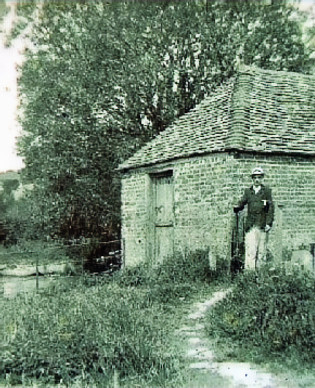
The Eel House sits beside the Wayfarers' Way footpath in idyllic woodland in a valley about a mile and a half from the centre of the charming small market town of Alresford...
Alresford Heritage photography archive
A collection of old photographs in and around the town of New Alresford in Hampshire collected over many years by Godfrey Andrews...